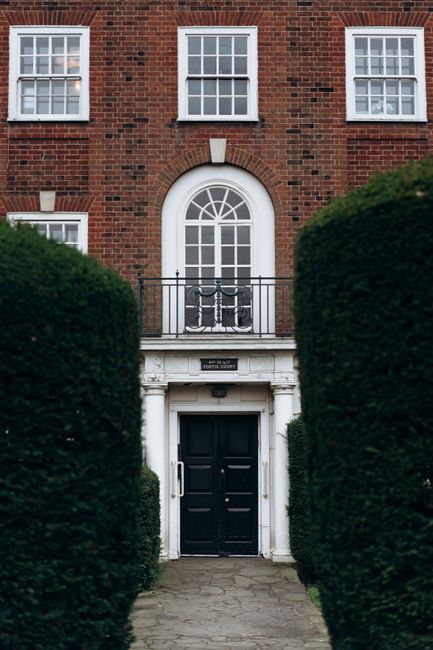
London Wall hedge trimming case study Golden Lane Estate job: a practical guide to planning, carrying out, and learning from the work
If you are looking into a London Wall hedge trimming case study Golden Lane Estate job, you are probably trying to understand more than just "what got cut and when". You want to know how this kind of work is approached in a tightly built London setting, why the details matter, and what good hedge maintenance should actually look like once the crew has packed away the tools. Fair enough. In places like Golden Lane Estate, small decisions make a visible difference: a tidy hedge can open up a walkway, soften hard landscaping, and make a communal space feel cared for rather than neglected.
This guide takes a practical look at the job from a real-world perspective. We will cover the why, the how, the typical steps, the risks, the equipment, and the standards you should expect. There is also a case-study style section later on, plus a checklist you can use if you are organising similar work yourself.
Why London Wall hedge trimming case study Golden Lane Estate job Matters
Hedge trimming sounds simple until you try doing it well in a busy urban estate. In a place like Golden Lane Estate, boundaries, sightlines, access routes, and shared garden areas all tend to sit close together. That means one hedge can affect several things at once: privacy, daylight, footfall, safety, and the overall feel of the space. A rough or rushed trim can make the area feel harsh. A careful trim can make the same space look calm and well looked after.
For many estate and property managers, this kind of job is about more than appearance. It can help reduce overgrowth near paths, keep planting in proportion, and prevent shrubs from leaning into windows, railings, or communal routes. It also supports long-term plant health. If you cut at the wrong time or in the wrong way, you can leave bare patches, stressed growth, or uneven edges that take months to recover. And yes, that does happen more often than people think.
The London context matters too. Access can be tight. Waste needs to be removed properly. Neighbours may be working from home, resting, or simply passing through. So the best hedge trimming work is not just neat; it is considerate. That mix of horticultural care and practical site discipline is really the heart of the matter.
Expert summary: Good hedge trimming in a place like Golden Lane Estate is not about taking the most off. It is about shaping carefully, working safely, respecting the site, and leaving the hedge healthier and more balanced than it was before.
How London Wall hedge trimming case study Golden Lane Estate job Works
A typical hedge trimming job in this setting starts with an inspection. The team looks at hedge species, current height and spread, any nesting risk, site access, nearby features, and the amount of green waste likely to be produced. That first look matters because different hedges respond differently to cutting. Some tolerate regular shaping very well; others need a gentler approach. If you treat every hedge the same, you usually get a mediocre finish. Truth be told, that is the shortcut that causes half the trouble.
Once the scope is clear, the work is usually split into stages: set-up, trimming, shaping, waste collection, and a final tidy. In a residential estate or mixed-use environment, this often means coordinating around residents, keeping pathways clear, and avoiding unnecessary disruption. Good operatives also check the weather. A dry, still morning is usually kinder to both the hedge and the people doing the work. Wet branches, slippery paths, and gusty conditions make clean cuts and safe movement harder than they should be.
The actual trimming technique depends on the hedge and the desired finish. Some jobs need a simple side trim to rein in a hedge that has drifted outward. Others need a fuller reduction to restore a clean line or to prevent the hedge from blocking light and access. In close urban spaces, it is especially important not to create an over-flat top if the hedge naturally needs a slightly tapered profile. That shape helps lower branches receive light, which reduces dieback. A small detail, but a big one.
If the work involves a wider garden or courtyard area, teams often coordinate hedge trimming with other maintenance tasks such as garden maintenance or landscape gardening. That is often more efficient than treating every job as a separate visit, especially where the planting scheme needs a joined-up look.
Key Benefits and Practical Advantages
There are some obvious benefits to hedge trimming, and a few that people only notice later. The obvious ones are a cleaner look, better access, and improved control of growth. The less obvious ones are often the most valuable over time.
- Better appearance: A well-trimmed hedge makes the whole site feel more cared for, which matters in shared or high-visibility areas.
- Improved access: Paths, corners, entrances, and bin routes stay easier to use when hedges are kept under control.
- Healthier growth: Regular trimming encourages denser growth and helps avoid long, weak, leggy branches.
- Reduced nuisance: Overhanging growth can brush against walkways, windows, or lighting. Tidy cutting reduces that.
- Better light and visibility: A balanced cut can stop hedges from making spaces feel boxed in or shadowed.
- Less expensive recovery later: Small, regular work is usually easier to manage than one heavy corrective cut after months of neglect.
There is also a practical management benefit. When you keep hedges on a routine cycle, you can plan budgets, labour, and site access more predictably. That may sound dry, but on the ground it saves headaches. Fewer surprises, fewer complaints, fewer "can you just deal with this quickly?" calls on a Friday afternoon. We have all seen how those go.
If the hedge sits alongside lawns or harder landscaping, the trim may be most effective when combined with services such as lawn mowing or landscaping. The result is usually more coherent, and the estate feels better joined up rather than pieced together.
Who This Is For and When It Makes Sense
This kind of hedge trimming case study is relevant to a few different groups. It is not just for one type of client or one kind of garden. In fact, the same principles can apply to very different settings, which is why the topic comes up so often.
- Estate managers: especially where communal planting needs regular control and a consistent visual standard.
- Property managers and landlords: when hedges affect frontage, access, or resident satisfaction.
- Residents' associations: if shared outdoor spaces need a clear plan rather than ad hoc tidying.
- Commercial premises: where neat boundaries support the right impression.
- Homeowners near busy streets: when privacy, shape, and maintenance all need balancing.
It makes sense to arrange hedge trimming when growth starts to obscure paths, window lines, or boundary edges. It also makes sense after a period of rapid growth, especially in spring and early summer, when hedges can suddenly get away from you. On the other hand, if a hedge has nesting birds or is showing signs of stress, a more cautious approach may be needed. That part should never be rushed.
A useful rule of thumb: if you are noticing the hedge before you are noticing the planting around it, it may already be asking for attention.
Step-by-Step Guidance
Here is a clear way to think about a typical hedge trimming job in a dense London estate environment. This is not the only method, but it is a sensible one.
- Assess the hedge and the site. Check species, height, width, access, nearby hazards, and the desired end shape.
- Confirm the scope. Decide whether the work is a light tidy, a directional trim, or a fuller reduction.
- Set up safely. Put barriers, signage, and tools in place so residents and passers-by know work is happening.
- Trim in stages. Start with the sides, then shape the top, adjusting as needed to keep the form balanced.
- Check the finish. Step back regularly. You cannot judge a hedge properly from two feet away. Standing back helps a lot.
- Clear clippings and debris. Waste should be collected promptly, especially where foot traffic is steady.
- Inspect the result. Look for missed patches, uneven lines, damage to nearby plants, and any safety issues left behind.
- Plan follow-up care. If the hedge has been reduced significantly, watering, feeding, or a softer next trim may be useful later.
In many jobs, the most important stage is the one people overlook: the final walkaround. This is where a quick, decent trim becomes a professional finish. You spot a bowed section near a handrail, a slightly sagging line near an entrance, or a patch that needs a gentle second pass. Small thing, big difference.
Expert Tips for Better Results
There is a real skill to hedge work, especially in busy communal spaces. A few simple habits can improve the result a lot.
- Work from the structure, not just the surface. Good hedges have shape. Follow that shape rather than forcing a flat, boxy line everywhere.
- Trim lightly and reassess. It is easy to take more off. Harder to put it back. Ask anyone who has gone a bit too far.
- Keep the base slightly wider where possible. This helps lower growth get light and reduces bare stems.
- Match the trim to the species. Laurel, privet, yew, beech, and mixed hedging all respond differently.
- Respect the site rhythm. In an estate setting, timing around residents often matters almost as much as the cut itself.
- Use clean, sharp equipment. Dull blades can tear foliage and leave a rougher finish.
Another practical tip: do not judge the hedge only by one line. Look at it from the path, from the windows, and from the sides. A hedge that looks fine head-on can still pinch a walkway or lean awkwardly into a shared corner. That sort of thing catches the eye once you know to look for it.
And if you are dealing with mixed planting, trimming one hedge in isolation can make everything else look odd. Sometimes the better move is to coordinate the hedge work with garden clearance if the area has become cluttered, or with tree lopping and removal if tree canopy is affecting light and hedge balance.
Common Mistakes to Avoid
Most hedge problems come from a handful of avoidable errors. The tricky bit is that these mistakes often look harmless at first.
- Cutting too hard in one visit: Heavy reduction can shock the hedge and leave it looking thin for a long time.
- Ignoring nesting or wildlife concerns: Work should be planned carefully and paused if there is any reason to suspect active nesting.
- Leaving the top too narrow: This can shade out the lower growth and create a weak, bare hedge.
- Forgetting the neighbour view: A hedge can look neat from one angle and messy from another. People will notice.
- Skipping waste removal: Clippings left behind make even a tidy trim feel unfinished.
- Using a one-size-fits-all approach: Different hedge species and site constraints need different handling.
Another common issue is poor timing. If the work is done at the wrong point in the growing cycle, the hedge may recover unevenly or appear bare for months. On a residential estate, that can quickly turn into complaints. Nobody wants that knock-on effect from a job that was meant to improve things.
Sometimes the mistake is simply not enough communication. Residents like to know what is happening and why. A short notice period, clear access planning, and a respectful work schedule can avoid a lot of friction.
Tools, Resources and Recommendations
The right tools make hedge trimming safer and more accurate. The wrong ones make it slower and messier. No great surprise there.
| Tool or resource | Why it helps | Typical use |
|---|---|---|
| Hedge trimmer | Creates a consistent cut on formal or semi-formal hedges | Main trimming and shaping |
| Hand shears | Useful for detailed finishing and small corrections | Fine-tuning edges and small areas |
| Secateurs | Helpful for individual shoots and awkward stems | Spot correction and precision work |
| Stiff broom or blower | Helps clear clippings from paths and planting beds | Final clean-up |
| Protective equipment | Supports safer working around sharp tools and debris | General site safety |
| Waste bags or collection bins | Improves site tidiness and waste control | Clipping removal |
For broader grounds work, a team may also need access to services overview information so the right task can be matched to the site condition. If budgeting is part of the decision, a clear look at pricing and quotes is usually the sensible next step, because it helps align scope, timing, and expectations before anyone starts cutting.
One practical recommendation: if the hedge is part of a wider external refresh, think in terms of the whole site, not just the hedge line. A trimmed hedge beside an overgrown verge or patchy lawn can look oddly unfinished. Small coordination choices make the whole space feel more coherent.
Law, Compliance, Standards, or Best Practice
Hedge trimming in London should always be approached with care around safety, access, and wildlife. You do not need to overcomplicate it, but you do need to respect the basics. In practice, that usually means risk assessment, safe tool handling, controlled site access, and proper waste management. Where work takes place near the public, estate residents, or busy pedestrian routes, those basics matter even more.
It is also sensible to consider bird nesting season and local wildlife protection. The details can vary by situation, so if there is any uncertainty, work should be checked carefully before proceeding. That is not red tape for the sake of it; it is part of doing the job properly and responsibly.
From a site management point of view, you should also expect good communication, sensible scheduling, and insurance-backed work practices. Reputable contractors normally have clear health and safety procedures, and they should be comfortable explaining how they manage access, debris, and any on-site hazards. If that conversation feels vague or rushed, it is worth slowing things down.
For reference, the following internal policy pages may be useful when assessing a contractor's approach: health and safety policy, insurance and safety, and recycling and sustainability. They help show how a business thinks about responsibility, waste, and site care, which is often just as important as the trim itself.
Options, Methods, or Comparison Table
Not every hedge needs the same approach. Here is a straightforward comparison that helps when choosing the right method for a site like Golden Lane Estate.
| Method | Best for | Pros | Trade-offs |
|---|---|---|---|
| Light maintenance trim | Established hedges needing routine shaping | Quick, tidy, minimal stress on plants | Won't fix major neglect |
| Selective reduction | Hedges that have outgrown their space | Improves access and restores balance | Needs judgement to avoid overcutting |
| Formative shaping | Younger hedges or recently planted sections | Builds a stronger long-term structure | Requires consistency over time |
| Combined grounds visit | Sites needing multiple tidy-up tasks | More efficient, more cohesive result | Needs careful planning and coordination |
If the space has more than just hedge growth to deal with, a combined approach can make sense. For example, hedge trimming alongside garden maintenance or lawn mowing often produces a better visual outcome than tackling each task weeks apart. The site looks settled, not half-finished.
Case Study or Real-World Example
Here is a realistic example of how a London Wall hedge trimming case study Golden Lane Estate job might unfold in practice.
A communal hedge line had gradually crept outward along a pedestrian route. Residents were still using the path, but it had begun to feel narrower, and the hedge was starting to catch at shoulder height. The main issue was not dramatic overgrowth; it was creeping inconvenience. The sort you barely notice until your bag catches a branch three days in a row.
The team first walked the site and agreed the hedge needed a controlled trim rather than a hard reduction. They checked access points, noted where waste could be collected without blocking movement, and planned the work for a quieter part of the day. The trim itself focused on restoring a clean side line while easing back a few top-heavy sections that were shading the lower growth.
What made the difference was the finish. The hedge was not just cut; it was rebalanced. The paths felt more open, the frontage looked calmer, and the space had that slightly hard-to-describe quality of being looked after without looking overworked. That is often the best result in an estate setting. You notice the improvement, but you do not feel the hedge has been bullied into shape.
The follow-up was simple too. The team noted where future trims would keep the line tidy and where the hedge might need extra care after the next growth cycle. That kind of note-making is easy to skip, but it saves time later. One season rolls into the next, and suddenly you are glad someone wrote it down.
If a similar project includes broader planting or a refresh of the wider outdoor space, it can help to review related services such as decking services or landscaping so the hedge work fits into the bigger picture rather than standing alone.
Practical Checklist
Use this checklist before, during, or after a hedge trimming job. It keeps the process grounded and reduces the chance of a messy surprise.
- Confirm the hedge species and current condition
- Check access routes, obstructions, and resident movement
- Decide whether the job is a trim, reduction, or full tidy-up
- Look for nesting activity or sensitive wildlife concerns
- Agree the working window and noise-sensitive timing
- Prepare protective equipment and cutting tools
- Plan where clippings will be gathered and removed
- Trim lightly, step back, and reassess the shape
- Check the hedge from multiple angles
- Clear all waste from paths, edges, and planting beds
- Review the finish for uneven lines or missed patches
- Note any follow-up maintenance needed
If you are a manager or resident organiser, keep the communication simple. A brief notice, a clear start time, and a note about access are often enough. People appreciate being told what to expect. Simple, really.
Conclusion
A well-handled hedge trimming job at Golden Lane Estate is about much more than cutting greenery into a neat line. It is part of how a shared space feels, works, and ages over time. Done properly, it improves access, protects plant health, and brings a sense of order to a busy urban setting. Done badly, it creates extra work, uneven growth, and a finish that never quite looks settled.
The best results come from careful assessment, sensible timing, the right tools, and respect for the site. That is the real lesson behind any strong case study of this type. Not flashy. Just solid, steady, and thoughtful. And that tends to hold up best in London, where outdoor spaces have to earn their keep every single day.
If you are planning a similar job, take a moment to compare scope, access, and maintenance needs before the work starts. It saves hassle later, and it usually leads to a cleaner result. A little planning goes a long way.
Get a free quote today and see how much you can save.
Frequently Asked Questions
What is a London Wall hedge trimming case study Golden Lane Estate job?
It is a practical example of hedge trimming work carried out in or around the Golden Lane Estate area, showing how a real site can be assessed, trimmed, tidied, and maintained.
Why is hedge trimming important in an estate setting?
It helps keep paths clear, improves the appearance of communal spaces, supports plant health, and reduces the risk of overgrowth causing everyday inconvenience.
How often should hedges be trimmed in London?
It depends on the hedge type, growth rate, and site use. Some hedges need multiple trims a year, while others do best with less frequent but more careful maintenance.
Can hedge trimming be done all year round?
Sometimes, yes, but timing should always be considered carefully. Wildlife, plant condition, and the hedge species all affect the best window for work.
What happens if a hedge is cut back too hard?
It can leave the hedge looking sparse or uneven and may stress the plant. In some cases, recovery can take a long time, which is why a measured approach is usually better.
Do I need permission to trim a hedge on shared property?
That depends on ownership, tenancy agreements, estate rules, and who is responsible for the planting. In shared spaces, it is always best to confirm before work starts.
How do professionals keep hedge trimming neat on tight London sites?
They usually work in stages, step back often, keep access routes clear, and finish by removing all waste so the area looks complete rather than just cut down.
What should be included in a hedge trimming quote?
A useful quote should usually reflect the hedge length, height, access, waste removal, complexity, and whether the work is a light trim or a more involved reduction.
Is hedge trimming linked to other garden services?
Yes. It often sits alongside garden maintenance, lawn care, clearance work, or broader landscaping because the overall finish matters as much as the hedge itself.
What are the signs that a hedge needs attention?
If it is blocking light, narrowing paths, growing unevenly, or starting to look bulky and tired, it is probably ready for trimming or a more considered reshape.
How do I choose between a light trim and a reduction?
If the hedge mainly needs tidying, a light trim is usually enough. If it has outgrown its space or is affecting access, a reduction may be more appropriate, but it should be handled carefully.
What is the best next step if I need this kind of work done?
Start with a site review and a clear quote request. If the hedge is part of a wider outdoor maintenance plan, it helps to review related services and schedule the work with the bigger picture in mind.
Sometimes the best garden work is the kind you barely notice afterwards, except for the calm it leaves behind. That is usually a good sign.