Hedge Trimming in Barbican

Hedge Trimming Barbican provides a focused hedge cutting service for domestic gardens and managed outdoor spaces in the Barbican area. The work is about keeping hedges neat, healthy and properly shaped, whether the plants need a light seasonal tidy or a fuller reduction to restore control. We handle routine hedge trimming, careful reshaping and the removal of surplus clippings so the finished result is ready to use straight away.
The service is suited to boundaries, front gardens, terrace planting, privacy screens and formal hedges that benefit from steady maintenance rather than occasional heavy cutting. Good trimming is not only about appearance; it also helps maintain a clean line, supports balanced growth and keeps access points, paths and sightlines clear. Every hedge type needs the right approach, so our work is planned around the condition, height, species and finish required.
If you are looking for a tidy, reliable hedge cut in Barbican, request a quotation when you are ready. Short descriptions of the hedge, its size and the look you want are usually enough to begin an accurate conversation about the work.
Routine hedge maintenance
Routine trimming is the simplest way to keep hedges under control through the growing season. It is usually the best choice where the hedge is already in reasonable condition and only needs trimming back to maintain a straight edge or defined shape. Regular maintenance can prevent a hedge from becoming too wide, help preserve garden space and reduce the need for more drastic cutting later on.
Different hedge styles call for different finishes. A clipped formal hedge needs crisp, even sides and a level top, while a more relaxed boundary hedge may need a softer outline that still looks intentional. Our trimming work is adapted to the hedge in front of us, so the result suits the planting rather than forcing one uniform style onto every garden. If the hedge forms part of a boundary, gate line or entrance, keeping the outline clean can make the whole space feel more orderly.
For hedges that are maintained on a regular basis, timing and consistency matter. A hedge cut too lightly may lose its shape quickly, while one cut too hard can look bare or uneven. We aim to leave a balanced finish that supports ongoing care rather than creating unnecessary stress for the plant. Use a plain enquiry if you would like to compare options, or keep reading for the types of hedge work we can discuss.
Shaping, reductions and overgrown hedges
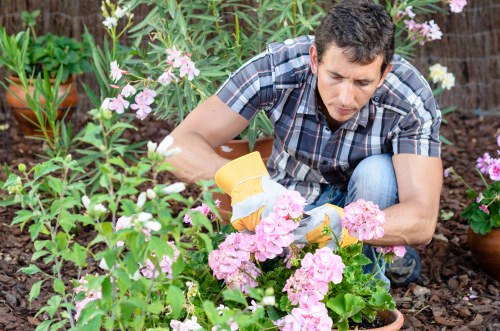
Not every hedge is ready for a standard trim. Some need selective reshaping after a period of rapid growth, while others require a controlled reduction to bring them back within a sensible size. This is often the stage where a hedge stops being a simple tidy and becomes a more considered job, because the cut must respect the existing framework of the plant and avoid leaving it patchy. Careful reduction work can restore order without making the hedge look stripped.
Overgrown hedges may need attention on more than one face. The top, front, back and ends can all affect how the hedge sits in the garden, especially where light, access or neighbouring features are involved. We can discuss whether a hedge should be taken back gradually, shaped more evenly or trimmed to a target line that better suits the space. In many cases, a measured approach is better than trying to remove too much at once.
Where a hedge has grown unevenly, the aim is usually to create a cleaner silhouette and a more manageable structure for future maintenance. That may include correcting bulges, easing outward spread or lowering a top that has become too dominant. If you need an initial quotation for hedge reduction, a short description of the hedge and its current size is a useful starting point.
Boundary hedges, privacy screening and access
Boundary hedges often need a balance between appearance and practical function. They may frame a property, soften a fence line or provide a degree of privacy without blocking the garden completely. Trimming such hedges requires care around the visible face as well as the hidden side, because the finished result should look tidy from both directions where possible. The cut also needs to respect nearby paths, walls, steps and entrances.
Access can affect how a hedge is handled, especially in tighter gardens or where the hedge runs beside a narrow side return. In those settings, the working method needs to be orderly and controlled so the hedge is trimmed without creating avoidable mess or damage to surrounding planting. When a hedge sits near a public-facing edge, a crisp finish can make a significant difference to the overall impression of the property.
For some customers, the most important outcome is simply regaining usable space around the hedge line. For others, the focus is on keeping the hedge dense enough to screen views while still looking neat from the outside. Tell us what matters most and we can help shape the work around that aim. A brief enquiry is enough to begin.
What our hedge trimming service can include
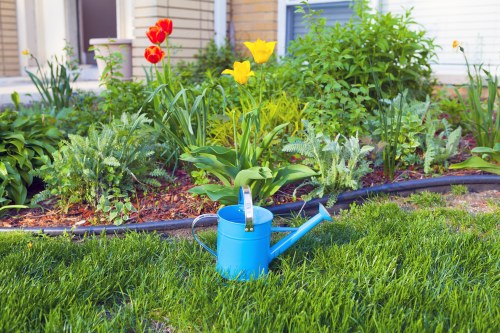
Our hedge trimming service can cover more than a quick cut to the outer surface. Depending on the hedge and the finish required, the work may involve careful side trimming, height adjustment, end shaping and the removal of cuttings afterwards. The objective is to leave the hedge neat, balanced and suitable for the next stage of growth, rather than simply shortening it without regard for structure.
In practical terms, the service can be used for a range of hedge-related tasks, including:
- routine seasonal trimming to maintain a consistent outline
- reshaping hedges that have become uneven or bulky
- reducing height where the hedge is becoming too dominant
- cleaning up hedge lines around boundaries, entrances and paths
- removing clippings so the area is left tidy after the cut
Some hedges need a neat visual finish, while others need a more functional result that keeps growth within a manageable range. We can discuss the purpose of the hedge before cutting begins, so the work matches the property and the plant itself. If you are comparing service options, the simplest next step is to ask for a quotation and describe the hedge you want trimmed.
Choosing the right level of cut
The right level of cut depends on the hedge’s condition, growth habit and the result you want to achieve. A light trim may be enough where the hedge is generally healthy and even, while a stronger reduction may be needed for a hedge that has drifted out of line or grown beyond its intended space. The aim is to keep the hedge attractive without creating avoidable shock or an awkward shape.
It is often helpful to think about the hedge in layers. The outer surface may need only a tidy pass, while the structure beneath could need more careful attention to achieve an even result. If the hedge has been neglected, it can sometimes be better to work towards a manageable form over time rather than removing too much in one cut. That approach can be especially useful where the hedge is important for privacy or boundary definition.
Two brief details usually help when making an enquiry: the approximate length or height of the hedge, and whether you want trimming, reduction or reshaping. Photos can help us understand the task, but they are not the only way to start a conversation. A concise written description is perfectly fine.
Preparing for a hedge trimming quotation
Quotation work is usually easier when the hedge is described clearly from the start. Useful information includes the hedge’s location in the garden, its approximate dimensions and whether it is easy to reach from the front, side or rear of the property. If the hedge is part of a wider garden job, it can also help to mention whether the trimming needs to be done alongside other outdoor work or as a standalone task.
When a hedge is especially dense, tall or awkwardly positioned, the practical details matter because they affect the time and method required. That said, the purpose of a quotation is still straightforward: to match the scope of work to the hedge in front of you. We keep the conversation focused on the trimming itself, so there is no need to over-explain the garden. A clear summary is usually enough to get started.
If you are ready to talk through a hedge in Barbican, ask for a quotation and include any details that may help assess the work. One good description is better than several vague ones, so keep it simple and relevant to the hedge that needs attention.
Aftercare and keeping hedges in shape
After trimming, the hedge should be left with a finish that supports future maintenance. That means clean edges, a sensible profile and a cut that makes it easier to keep the hedge in shape next time. For many customers, the real value of hedge trimming is not just the immediate tidiness, but the way a well-finished hedge makes later maintenance more predictable and less disruptive.
Ongoing hedge care is generally easier when the line is kept consistent. Small changes, carried out regularly, are often preferable to waiting until the hedge becomes difficult to manage. This is true whether the hedge is ornamental, structural or mainly there for screening. A good result is one that looks settled in its surroundings and does not draw attention for the wrong reasons.
If a hedge needs repeated attention through the year, it can be useful to think ahead about the shape you want to preserve. Some hedges suit a tight formal edge, while others look better with a slightly softer outline. We can trim with that longer-term shape in mind, so the hedge remains practical as well as presentable.
About Barbican
Barbican is a central London district best known for the Barbican Estate, a major post-war residential and cultural development set within the City of London. The area takes its name from the medieval fortification that once stood nearby, and traces of that older defensive landscape are reflected in the street pattern and the historic associations of the district. Today, Barbican is closely linked with a dense mixture of offices, homes, cultural venues and pedestrian routes that sit just north of St Paul’s Cathedral and west of the Tower Hill area. Its built character is strongly influenced by the Brutalist architecture of the estate, which was developed during the 1960s and 1970s and remains one of London’s most recognisable examples of the style. The Barbican Centre, opened in 1982, brings concert halls, theatres, galleries and a public conservatory into the heart of the district, giving the area a strong cultural presence that reaches far beyond its immediate streets. Water features, elevated walkways and planted terraces soften the hard edges of the architecture, while nearby remnants of the Roman and medieval city remain part of the wider historic setting. The district is also shaped by its position within the City of London, where long-established institutions, newer residential buildings and public spaces sit in close proximity. This combination of history, modern architecture and carefully planned open space gives Barbican a distinct identity within central London.
Other garden work alongside hedge trimming

Where hedge trimming is part of broader outdoor maintenance, it can sit alongside other garden tasks that help the space look consistent rather than partly finished. Some customers ask about related work such as garden maintenance to keep borders and planted areas in step with the hedge line, or lawn mowing where a neat hedge is meant to complement the rest of the garden. When the garden needs a fuller refresh, garden clearance may also be relevant if unwanted growth or accumulated debris is making it harder to maintain the hedge properly.
There are also occasions when hedge work forms part of a wider layout or design plan. In those cases, landscape gardening or landscaping can be useful to consider if the planting, levels or surrounding features need rethinking as well as trimming. Where the hedge sits close to timber features, paths or boundary structures, decking services or tree lopping and removal may be discussed separately if those elements are affecting access or light around the hedge.
For a straightforward start, you can keep it to hedge trimming and ask for a quotation first. If you want to compare service pages, our services overview is a simple place to begin before making a direct enquiry through contact us.